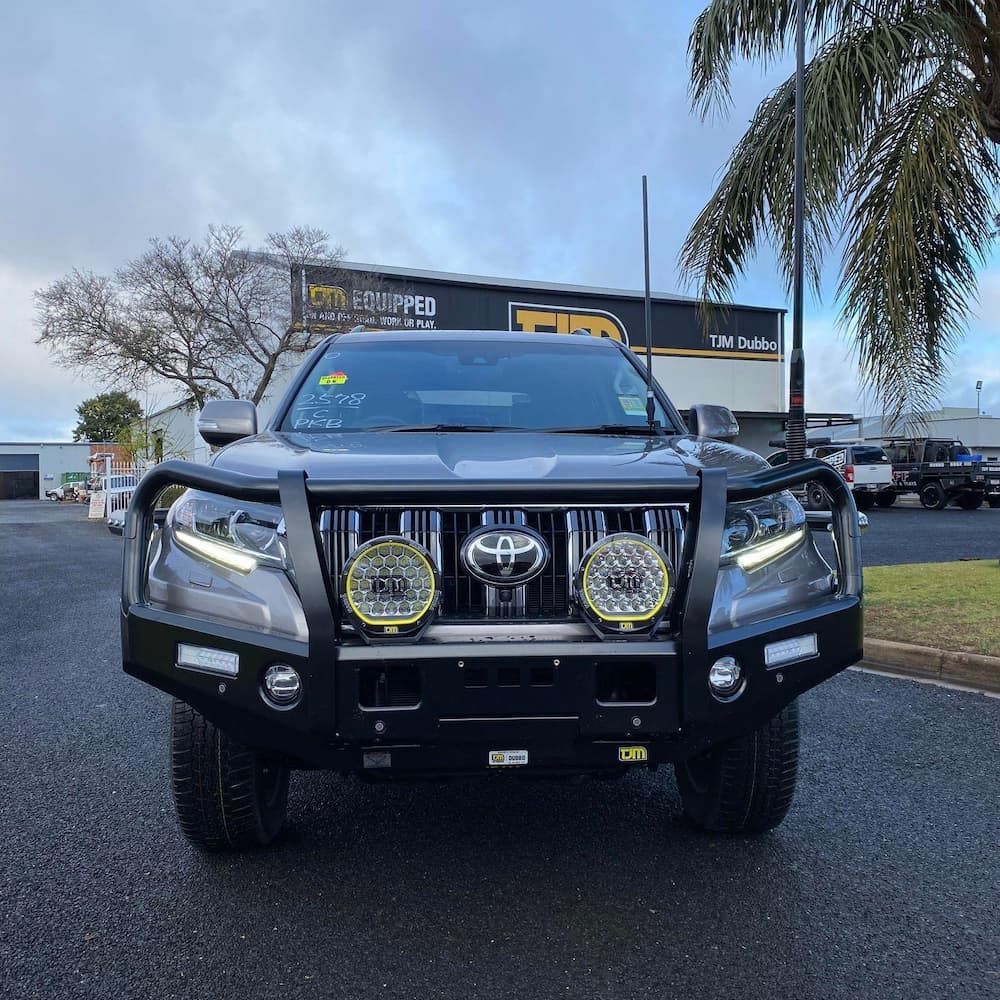
Stop Wasting Roof Space: The 4x4 Accessories Dubbo Owners Are Actually Using To Maximise Storage
You've done the roof rack. You've bolted it down, torqued it up, and driven off thinking the hard part is over. Then you hit the road west of town — 400 kilometres of corrugations, red dust and zero phone signal — and realise the rack is just holding a jumble of gear that shifts, rattles and takes twenty minutes to dig through every time you need something. That's not a storage problem. That's a system problem. Most conversations about
roof racks in Dubbo stop at the rack itself, but the accessories you pair with it are what determine whether it's genuinely useful or just extra weight. The
4x4 accessories Dubbo drivers are investing in right now aren't just filling space; they're organising it, protecting what's up there and making a loaded roof rack actually work the way it should. Whether you're running dusty outback tracks on weekends or heading out for multi-day remote camps, the difference between a useful rack and a frustrating one comes down to what you put on it — and how it all fits together.
The Case for Treating Your Roof Rack as a System
Random accessories bolted to a roof rack create chaos at speed. Experienced 4WD accessories users will tell you the same thing: every item up top needs a designated spot, a secure mounting point and a logical relationship with everything around it.
A system-based approach means thinking about:
- Load distribution and how weight sits over your axles
- Access order — what you need first should come off last
- Compatibility between brands and mounting rails
- How dust, moisture and vibration affect each component over distance
Roof Basket Organisers and Gear Bags That Actually Hold Up
The roof rack basket is only as useful as the organisation inside it. Loose swags, bags and tools thrown in together shift under braking and become impossible to locate quickly, especially after dark or in rough conditions.
Purpose-built solutions make a genuine difference:
- Heavy-duty mesh bags with compression straps keep soft gear compact and contained
- Gear bags designed for roof racks use reinforced attachment points rated to rail systems
- Waterproof dry bags protect sleeping gear and clothing from dust ingress on long outback runs
- Colour-coded or labelled bags speed up access when you're tired or working in low light
Roof Rack Tent Platforms and How They Change a Camp Setup
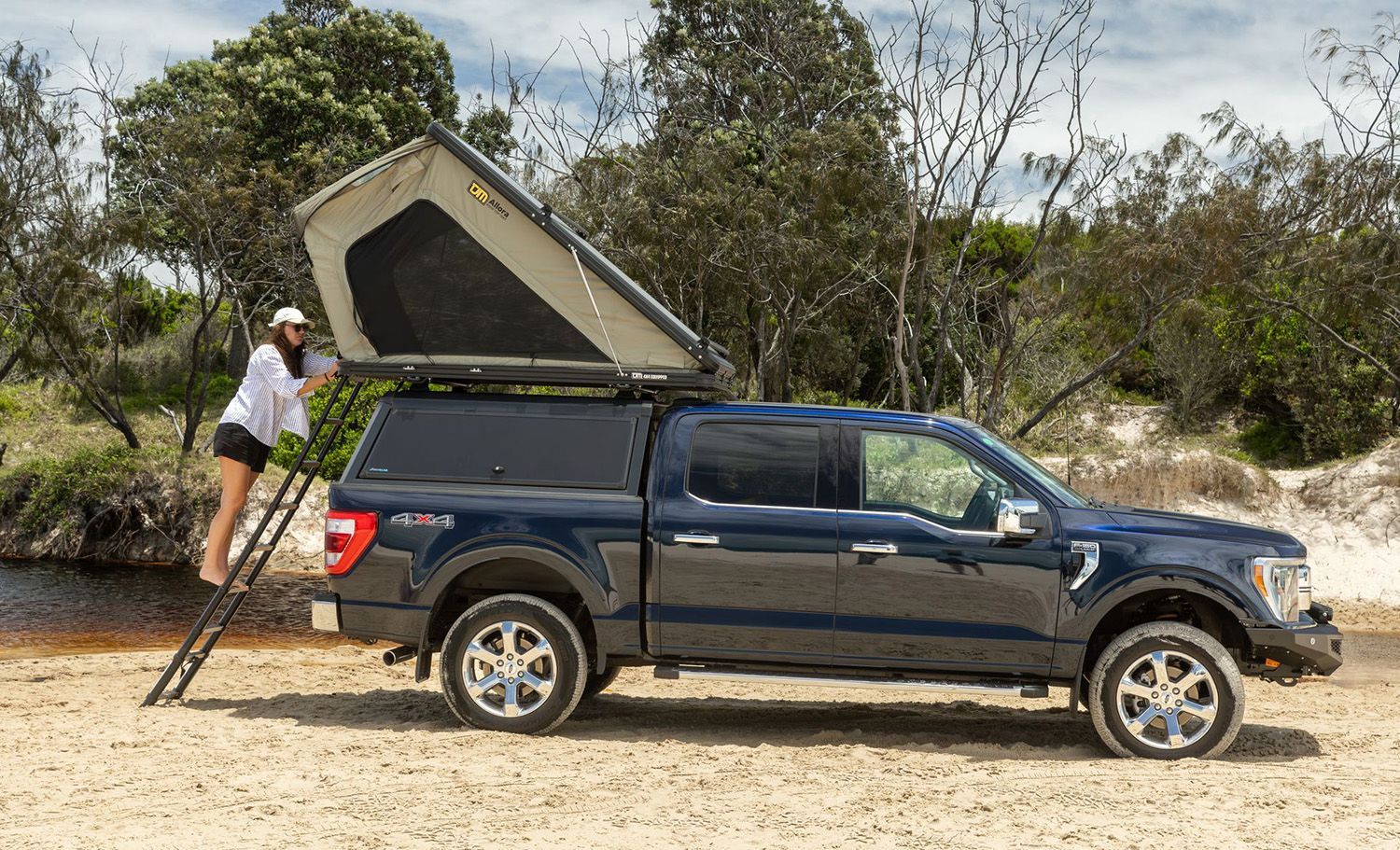
Rooftop tents have become a standard part of serious touring rigs, but not every rack is configured to carry one properly. The platform setup matters as much as the tent itself, particularly for 4x4 storage solutions that need to keep working underneath a mounted tent.
Getting the platform right involves:
- Confirming your rack's dynamic load rating versus the tent's weight in motion
- Choosing a mounting position that doesn't compromise forward gear access
- Pairing the tent with load bars spaced to the manufacturer's specification
- Leaving enough rack space for a Jerry can holder or light bar alongside the tent
Jerry Can Holders: Fuel Security on Remote Runs
Running out of fuel between Dubbo and Bourke, or further west again, is not the kind of problem you solve with a phone call. Jerry can holders are one of the most practical off road accessories Dubbo touring rigs carry, and the mounting setup determines whether they're safe or a liability.
A properly mounted Jerry can setup should include:
- A rated holder sized to your can — universal fit often means poor fit
- Anti-rattle mounts to reduce vibration fatigue on the can and the rack
- A lockable option if the vehicle is left unattended at remote campsites
- Positioning that doesn't block tail light visibility or impede spare tyre access
Awning Mounts and Side Rail Accessories That Earn Their Keep
An awning is one of the most used roof rack accessories on a working or touring 4WD, but the way it mounts to the rack determines how long it lasts and how well it deploys. Sloppy fitment causes premature wear at the bracket points and can let the awning shift under highway driving.
What to look for in a solid awning setup:
- Mounts rated to the specific rail profile on your rack — not adapted from another system
- 270-degree awning options for rigs that camp regularly in exposed areas
- Integrated tie-down loops on the mount for guy rope anchoring in wind
- Clearance checks around roof vents, aerial mounts and other accessories before fitment
Roof Rack Lighting Bars and the Difference Proper Mounting Makes
A light bar bolted to a roof rack without the right mounting hardware is a vibration problem waiting to happen. Work in roof rack accessories Dubbo fitment specialists focus on means understanding that lighting setups take constant punishment on corrugated tracks, and the bracket system is what separates a light that works at kilometre 300 from one that fails at kilometre 30.
A well-integrated roof rack lighting setup covers:
- Mounting brackets designed for the specific rack rail profile, not universal adapters
- Wiring routed through the rack structure and protected against chafing
- Light bar positioning that avoids glare reflection off the bonnet at night
- Compatibility with existing accessories so nothing is repositioned to accommodate the light
Cargo Barriers and Internal Storage That Works with the Roof
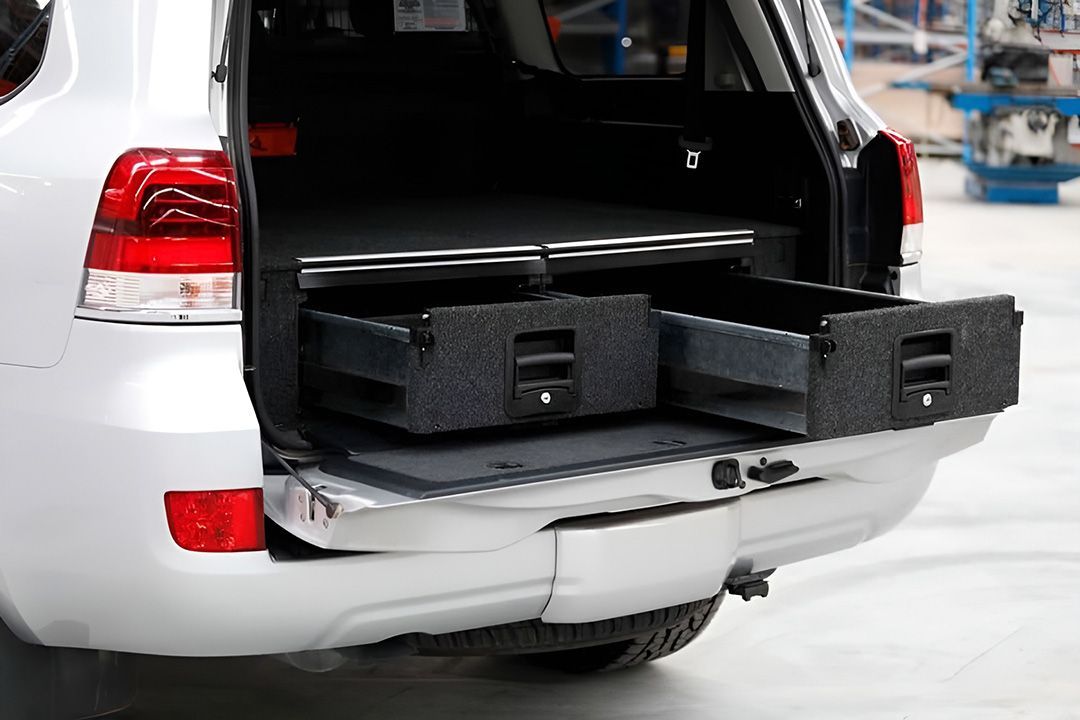
The roof rack doesn't operate in isolation — it's the top end of a storage system that runs through the entire vehicle. What goes on top should free up internal space, not just add to it, and cargo barriers play a central role in keeping interior gear separate from the driver's space on rough terrain.
Pairing roof and internal storage effectively means:
- Using the roof for heavy, bulky items like recovery gear and fuel to free cabin space
- Installing a cargo barrier to secure what remains inside behind the rear seats
- Roof-mounted water carriers reducing weight from internal storage systems
- A clear loading plan that keeps frequently accessed items at ground level, not on the roof
When to Upgrade Your Roof Rack Before Adding More Accessories
There's a point where adding more accessories to an underspecified rack creates more risk than it solves. Some racks sold with vehicles from the factory aren't built to carry the same loads as aftermarket systems designed specifically for touring and work use.
Signs it's time to reassess the rack itself:
- Flex or movement in the mounting feet after a loaded run
- Incompatible rail profiles limiting accessory choices
- Dynamic load rating insufficient for the combined weight of planned accessories
- Corrosion or fatigue at weld points after years of loaded outback travel
Ready to Build a Roof Rack Setup That Actually Works?
We at TJM Dubbo work with 4x4 owners who are serious about getting their builds right before they head out — not fixing problems on the road. Whether you're outfitting a work rig, planning a first remote touring trip or upgrading a rack setup that's no longer doing the job, we'll help you work through the accessories that make sense for your vehicle, your load and the conditions you'll be driving in. Dubbo sits at the gateway to some of the most demanding terrain in New South Wales, and we understand what that country asks of a loaded vehicle. Get in touch with the team, come in for a chat or book a fitment consultation — we'll make sure every inch of that roof rack earns its keep.