How a Bull Bar Can Improve Your 4WD’s Safety & Capability
If you’ve ever had a close call with wildlife on a country road, or watched a factory bumper scrape on a steep driveway, you already know one thing: the front end of a 4WD copes with a lot. Most owners think of bull bars as a tough-looking add-on, but the real value lies in what they do for protection, safety, and how your vehicle handles off-road conditions.
A well-chosen, professional bull bar protects components, improves approach angles, and supports accessories like winches and lights. Understanding bar types, compliance, and fit ensures optimal vehicle performance.
What Is a Bull Bar, and What Does It Do on a 4WD?
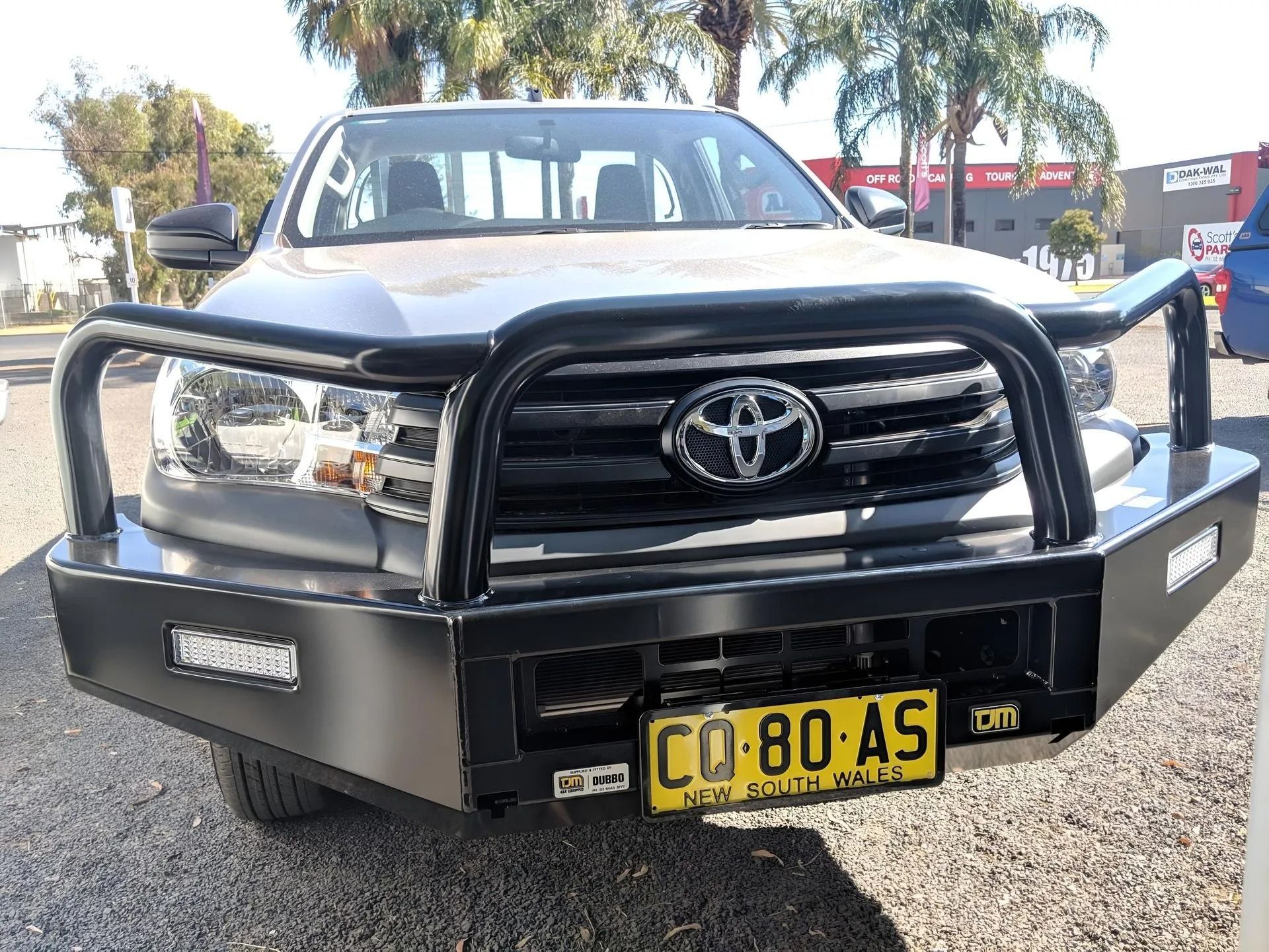
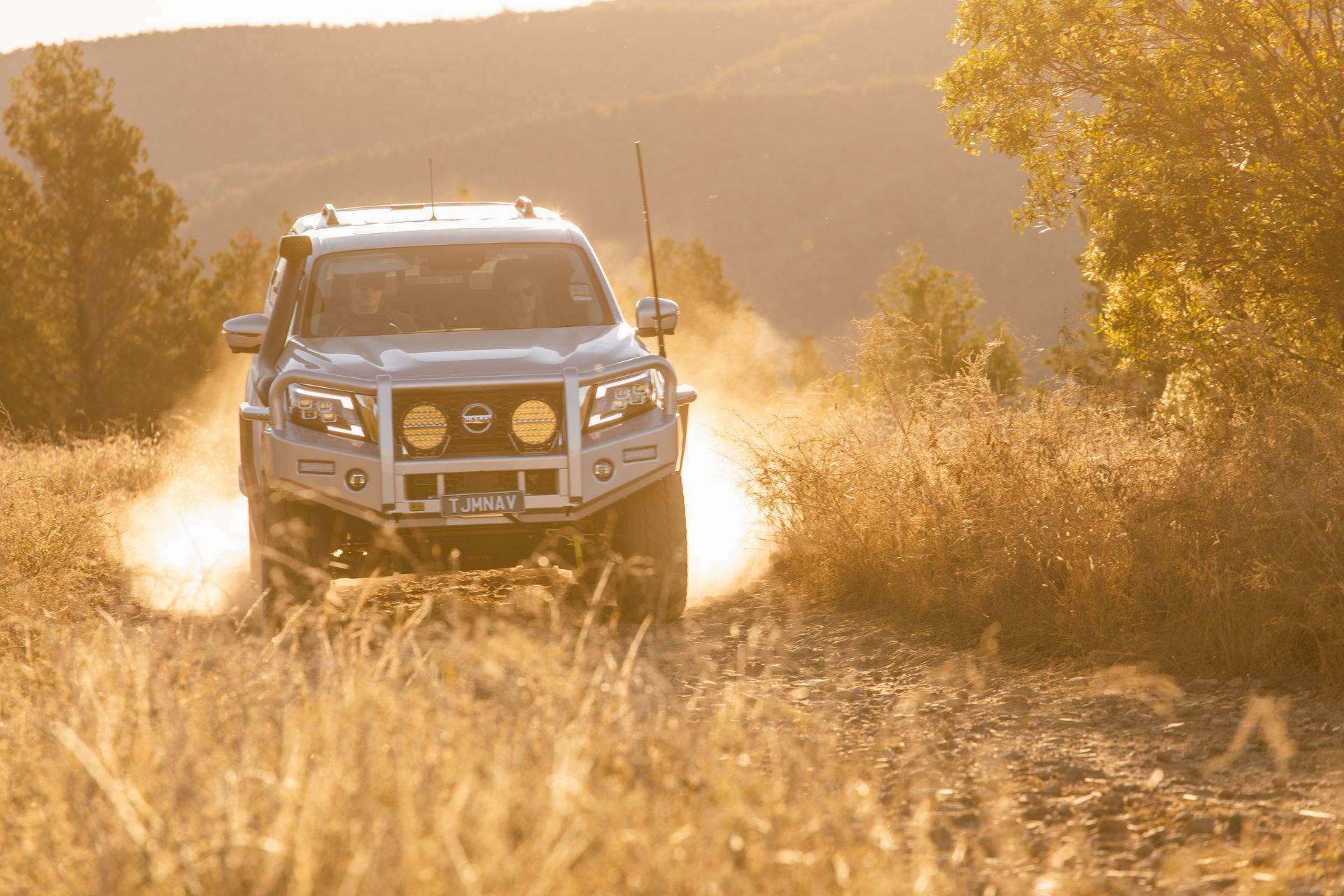
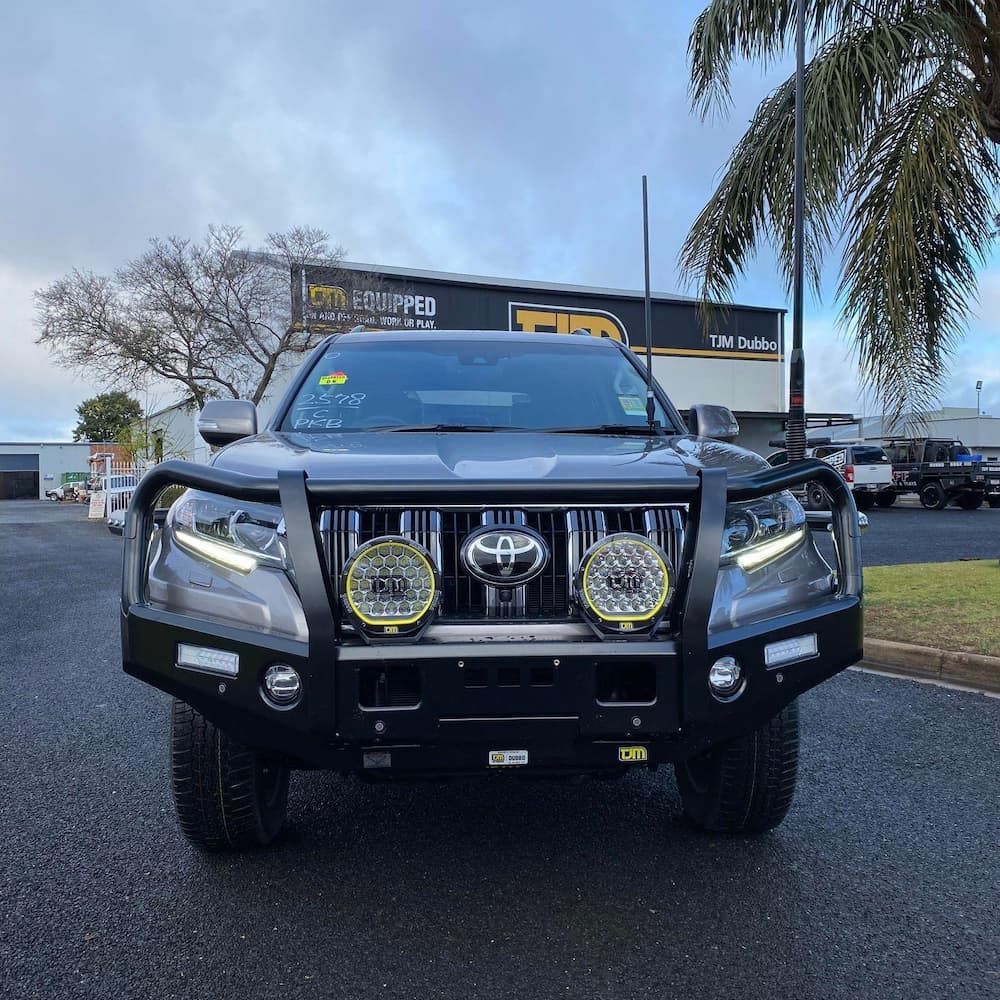
A bull bar is a heavy-duty bar that mounts to the front of your 4WD, designed to protect the vehicle’s front-end components and provide a stable mounting point for accessories. It’s usually built from steel or alloy and replaces the factory bumper in a way that’s engineered to handle impacts and rough use.
A good bull bar is more than just metal at the front. The right design can influence your approach angle, protect key systems and support touring upgrades.
- Protects the grille, headlights and radiator area from impacts
- Can improve clearance and reduce front-end damage off-road
- Supports the fitting of accessories like winches and aerials
If you’re asking what is a bull bar? It helps to think of bullbars as both protection and a functional upgrade, not a cosmetic one.
Do I Need a Bull Bar? The Real-World Scenarios That Answer It Fast
This is one of the most common questions among new 4WD owners, and the answer usually becomes obvious once you match it to your driving style. If your vehicle stays in suburban traffic and rarely ventures onto gravel or remote roads, you may not need one. If you tour, drive regularly at dawn or dusk, or use your 4WD for work, a bull bar becomes a practical investment.
It also comes down to how much you rely on your vehicle and how costly downtime would be.
- Regular driving on rural roads where wildlife strikes are a risk
- Touring routes with gravel, creek crossings, obstacles and uneven terrain
- Planning to add a winch or driving lights for visibility and recovery
If you’ve been wondering, “Do I need a bull bar?” think less about aesthetics and more about risk management, especially in the kind of driving conditions many Australian roads throw at you.
Front-End Protection: Reducing Damage From Animal Strikes & Low-Speed Impacts
Front-end damage can be costly as it often affects radiators, headlights, sensors, and cooling parts, not just appearance. Even minor impacts may require towing, repairs, and vehicle downtime. Bull bars help lessen damage by providing extra protection. However, they don't make vehicles invincible; safe driving is still essential, especially at high speeds. Still, bull bars can reduce damage from typical impacts that could otherwise severely harm the front end.
- Helps shield vulnerable components like the radiator and grille
- Can reduce repair costs from minor impacts and strikes
- Offers protection when pushing through scrub or rough tracks
For many touring drivers and workers, considering bull bars in Dubbo or similar regional areas, this protective role is the primary reason for choosing a bullbar.
Approach Angles & Clearance: A Safety Feature Most People Don’t Think About
Approach angle is the steepest incline your 4WD can drive up without the front end hitting the ground. Factory bumpers are often designed for road use, which means they can hang lower and catch on steep entries, ruts or rock ledges. A well-designed bull bar can enhance approach angle and clearance, thereby reducing front-end contact in off-road conditions.
This isn’t just about capability. Clearance can be a safety issue when scraping damage to steering, cooling or recovery points, or causes sudden vehicle movement in a tricky spot.
- Improved approach angle for tracks, driveways and washouts
- Less front bumper scraping on uneven terrain
- Helps protect underbody components from impact
For drivers building a reliable 4x4 touring setup, approach angle is one of the upgrades that pays off every time you leave sealed roads.
Not All Bull Bars Are Equal: Steel vs Alloy & Design Differences That Matter
Bull bars vary by material, weight, shape, and purpose. Steel offers strength, alloy is lighter and protective depending on design. Choose based on your vehicle, usage, and accessories. Design impacts integration of winches, lights, and antennas; some are basic for general protection.
- Steel bull bars: strong and durable, often preferred for touring and heavy-duty use
- Alloy bull bars: lighter weight, can suit daily driving while still offering protection
- Different designs affect airflow, clearance and accessory mounting
Choosing the right bull bar is where professional advice saves headaches, especially if you’re balancing vehicle weight, performance and future upgrades.
ADR, Airbags & Sensors: Getting the Safety & Compliance Side Right
Bull bars must meet Australian standards and be compatible with your vehicle’s safety systems, especially airbags. They should be engineered to work in conjunction with crumple zones and sensors to ensure safety. Modern 4WDs also feature sensors for parking, cruise, and collision alerts, so not all bars are suitable for every vehicle, and incorrect choices can disrupt these systems.
- Look for products designed and tested for your vehicle model, then have them professionally fitted.
- Airbag compatibility and correct mounting points matter
- Sensor placement and wiring may need planning
This is one of the strongest arguments for purchasing through a specialist supplier and having the bar professionally installed, rather than attempting to determine compatibility on your own.
Bull Bars as a Mounting Platform: Winches, Antennas, Lights & Recovery Gear
One of the biggest benefits of a bull bar is that it becomes the foundation for other 4WD upgrades. If you plan to run a winch, spotlights or an antenna, it’s far easier to plan that setup from the beginning rather than retrofitting later. The right bull bar supports safe mounting, proper wiring and cleaner integration.
A good setup also considers weight distribution and how accessories affect performance.
- Winch-compatible bars can make recovery gear safer and easier to use
- Driving lights improve visibility, especially for touring
- Antenna mounts support UHF and touring communications
Many people building a touring 4x4 find that the bull bar is the first step because it sets up everything else that follows.
Why Professional Fitting Matters: Alignment, Torque Specs & Long-Term Reliability
A bull bar is only as good as its installation. A poor fit can cause alignment problems, rattles, corrosion points and even safety issues if mounting isn’t done correctly. A professional fitting ensures the bar sits properly, bolts are torqued to spec, and any wiring is handled cleanly.
It also ensures the bull bar is positioned correctly in relation to sensors, airflow and the front-end structure.
- Correct alignment to prevent rubbing, vibration and long-term wear
- Clean wiring for lights, antennas and winch setups
- Post-fit checks to confirm fit, clearance and system operation
If you’re investing in front-end protection, the install is not the place to cut corners. The goal is reliability, especially if your 4WD is used for touring, work or regular long-distance driving.
Looking for Bull Bars in Dubbo?
If you drive in and around Dubbo, you already know how quickly conditions can change, from long highway runs to unsealed roads and wildlife at dawn or dusk. A bull bar isn’t just about looks. It’s about protecting your vehicle, enhancing its capability, and setting up your 4WD properly for the way you use it.
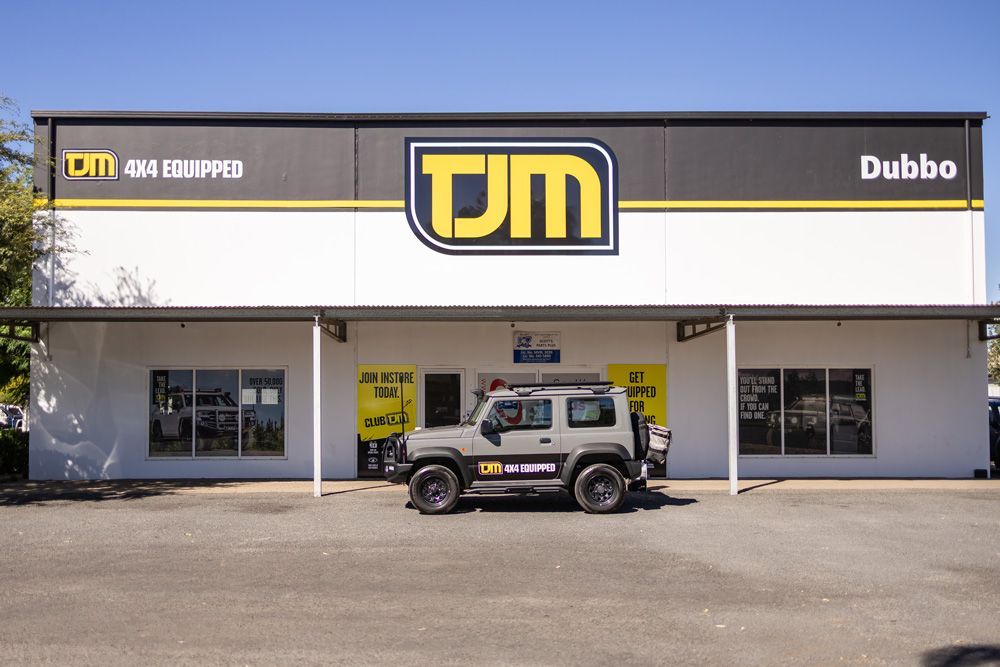
At TJM Dubbo, we can help you choose the right bull bar for your vehicle, plan any add-ons like winches or driving lights, and professionally fit it so it performs as intended. To learn more or book a fitting,
contact us and speak with our team about 4x4 accessories Dubbo drivers rely on.