How To Choose A Winch For Your 4WD
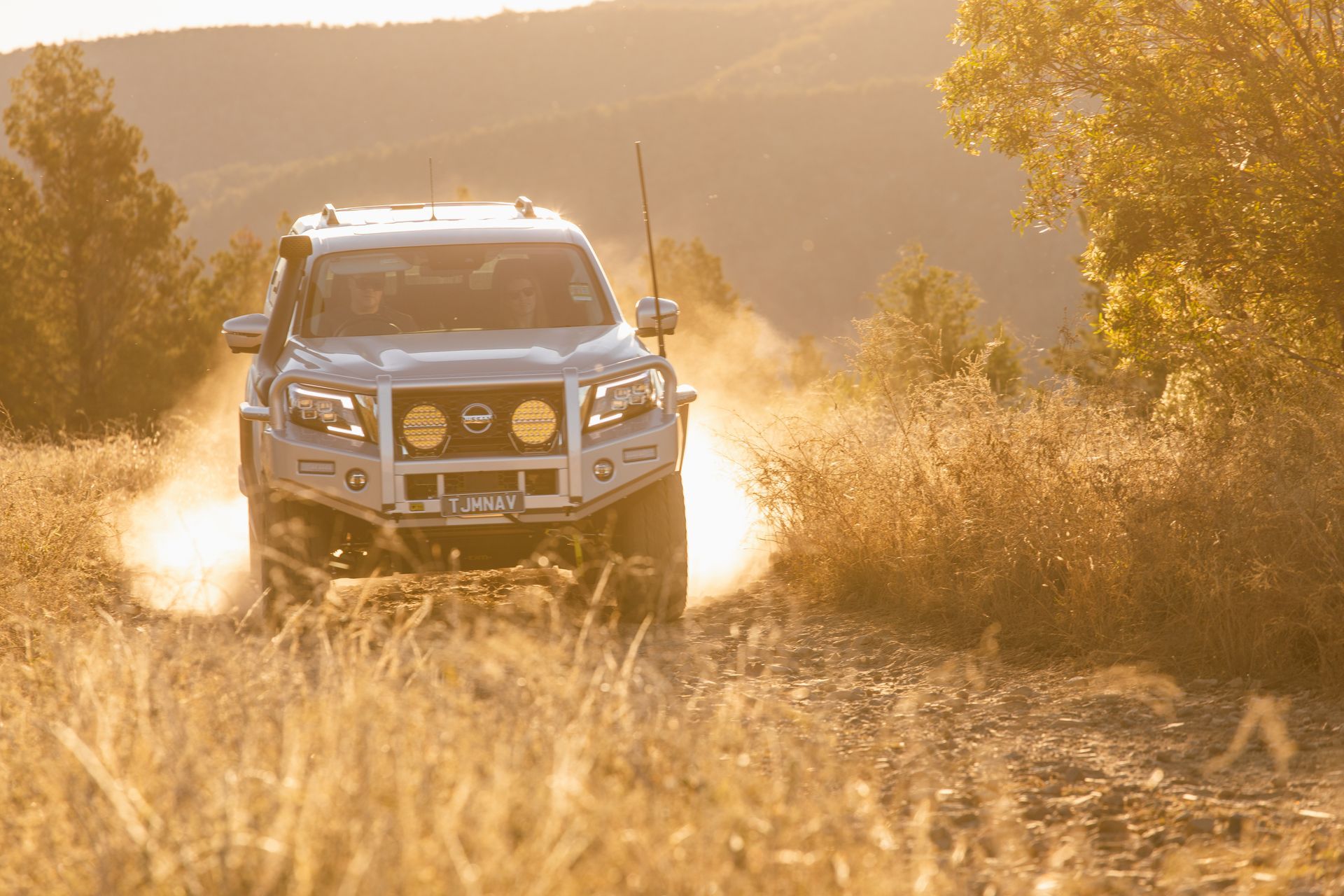
Choosing the right 4WD winch comes down to your vehicle's loaded weight, the winch's pulling capacity, rope type and mounting compatibility. A powerful winch isn't necessarily the best option if it doesn't suit your bull bar or recovery needs. For drivers exploring 4x4 accessories Dubbo, a winch is worth considering before heading into remote areas where getting bogged can become a serious problem.
Why a Winch Is One of the Most Important 4WD Upgrades
A winch provides a controlled pulling force to help recover a stuck vehicle when suitable anchor points and safe recovery methods are available.
It can be particularly useful when travelling alone, although solo winching requires careful planning and carries additional risks.
Around Dubbo and western NSW, changing track conditions, mud, sand and uneven terrain can leave even well-equipped vehicles stranded. A winch gives you another recovery option, but it doesn't replace safe driving, appropriate tyres or a complete recovery kit.
How a 4WD Winch Works
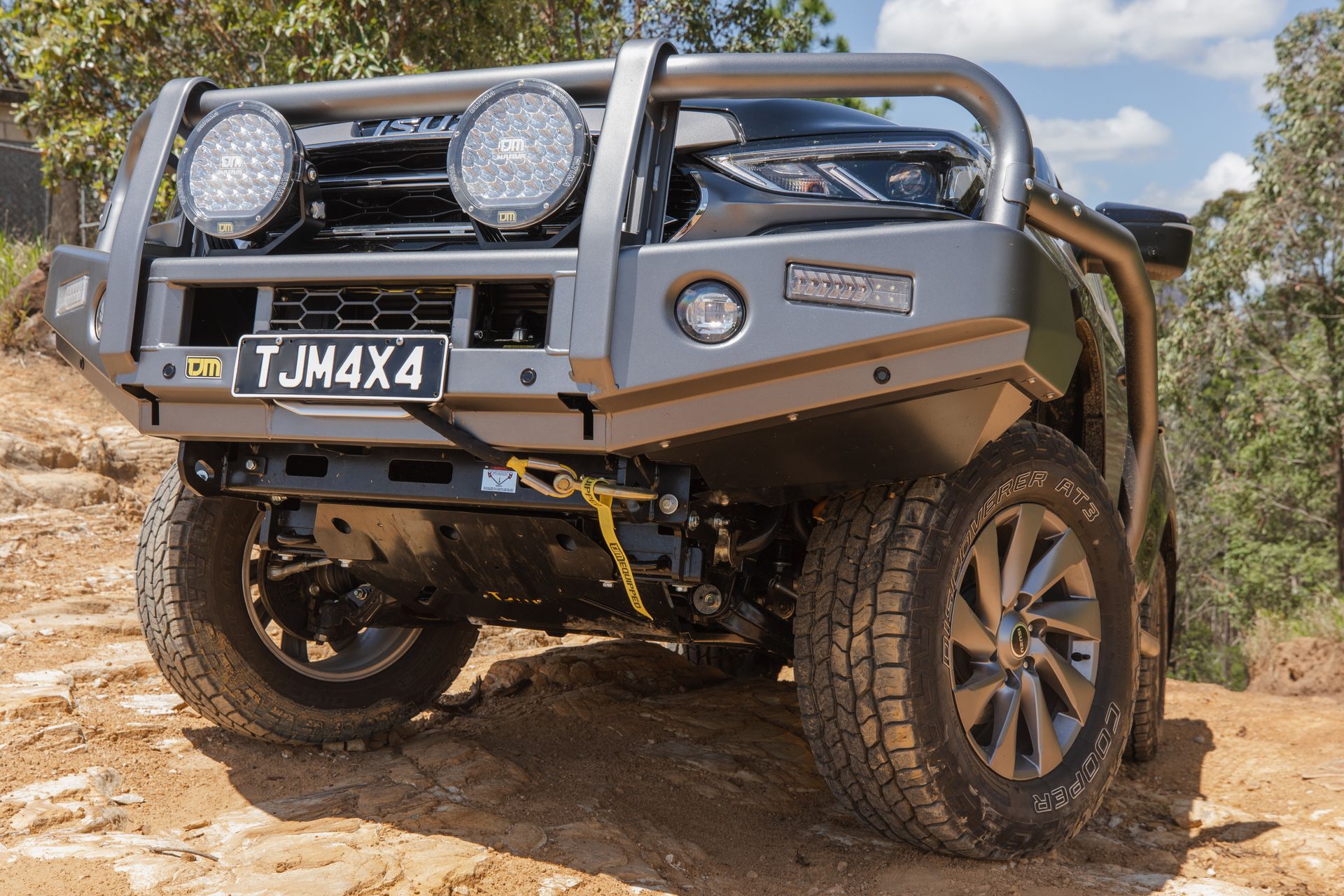
Most recreational 4WD winches are electric units mounted to a compatible bull bar or winch cradle. An electric motor drives a geared drum that winds in synthetic rope or steel cable. When connected to an appropriate anchor point, the winch can pull the vehicle towards that point.
What Are the Main Components?
- Motor: Provides the power to operate the winch.
- Drum: Stores the rope or cable.
- Gearbox: Converts motor output into pulling force.
- Clutch: Allows controlled free-spooling where supported.
- Fairlead: Guides the rope or cable onto the drum.
- Controller: Operates the winch from an appropriate position.
Electric winches draw substantial current, so battery condition and electrical connections matter. Always follow the manufacturer's operating instructions and keep people clear of the recovery area.
Matching Winch Pull Rating to Your Vehicle’s Weight
Winch pulling capacity is usually expressed in pounds or kilograms. The rating indicates the winch's maximum rated pulling force under specified conditions, not the weight of a vehicle it can recover in every situation.
How Much Pulling Capacity Do You Need?
Start with your vehicle's fully loaded weight, not simply its empty factory weight. Include accessories, passengers, fuel, camping equipment and other touring loads.
A commonly used starting point is a winch rated at approximately 1.5 times the vehicle's gross vehicle mass, but this is a selection guideline rather than a guarantee of recovery capability. Mud suction, slopes, friction and other conditions can substantially increase the force required.
Why Does the First Layer of Rope Matter?
A winch generally delivers its highest rated pulling force on the first layer of rope around the drum. As additional layers build up, effective pulling capacity decreases. This is one reason winch selection should consider more than the number printed on the packaging.
Synthetic Rope vs Steel Cable: Which Is Right for You?
Both synthetic rope and steel cable can be suitable for 4WD recovery when correctly rated, maintained and used. The choice depends on handling preferences, operating conditions and maintenance requirements.
Synthetic Winch Rope
Synthetic rope is generally lighter and easier to handle than steel cable. It doesn't develop sharp wire strands, but it can be damaged by abrasion, heat, ultraviolet exposure and unsuitable contact with rough surfaces. Use compatible recovery equipment and inspect the rope regularly.
Steel Winch Cable
Steel cable offers good abrasion resistance in suitable applications but is heavier and can develop broken strands. It also requires careful handling because damaged wire can cause injuries.
Both materials store energy under tension and can be dangerous if equipment fails. Neither should be treated as risk-free. For many recreational touring vehicles, synthetic rope is a practical option, provided it's compatible with the winch and intended use.
Understanding Motor Types, Line Speed and Gear Ratios
Winch specifications can be confusing when comparing different models. Three important considerations are motor performance, line speed and gearing.
What Does Motor Type Affect?
Electric winches commonly use motor designs suited to high-load operation. Rather than choosing solely by motor terminology, compare the manufacturer's rated performance, duty cycle and electrical requirements.
Why Does Line Speed Matter?
Line speed describes how quickly the winch winds in rope. A faster winch may reduce recovery time, but speed generally changes under load. Compare loaded performance figures rather than relying only on unloaded specifications.
What Does the Gear Ratio Tell You?
The gearbox helps convert motor output into pulling force. Different gear ratios affect the balance between pulling force and speed. A lower advertised gear ratio isn't automatically better. Consider the complete winch specification, including capacity, line speed and operating limitations.
Mounting, Power and Compatibility With Your Bull Bar
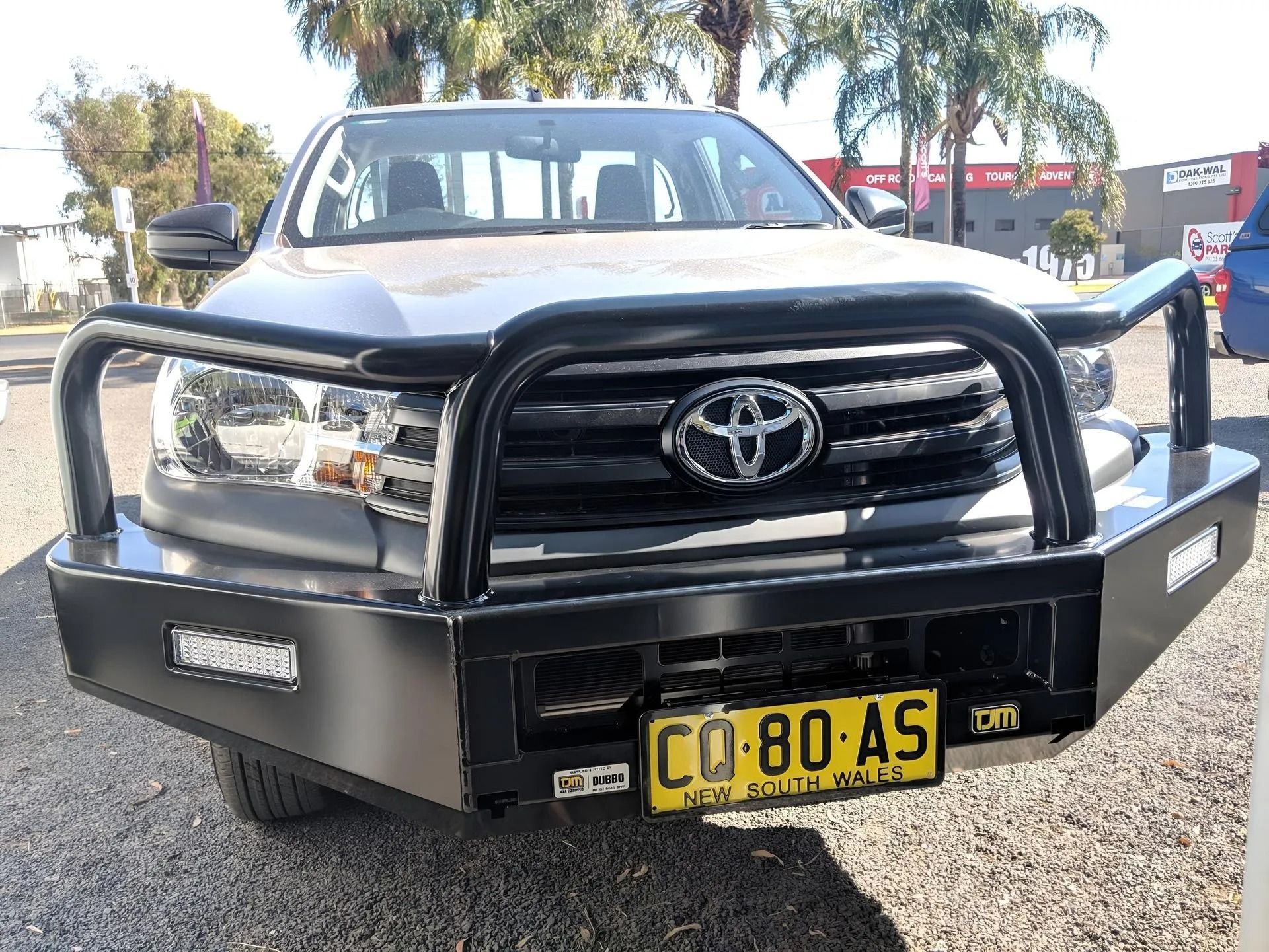
Not every winch fits every bull bar. Before buying, check whether your vehicle has a winch-compatible bar or an approved mounting arrangement.
What Should You Check?
Important considerations include:
- Winch mounting dimensions and bolt pattern
- Bull bar or cradle compatibility
- Available space for the motor and gearbox
- Fairlead positioning
- Electrical cable routing
- Battery and charging system condition
- Vehicle manufacturer and accessory requirements
A bull bar may look suitable but lack the structural mounting provisions required for a particular winch. Don't assume that drilling additional holes or modifying mounting points is acceptable.
Does a Winch Affect Vehicle Weight?
Yes. A winch adds weight to the front of the vehicle, along with its mounting equipment. This can affect front axle loading and suspension behaviour, especially on vehicles already carrying heavy accessories. Check the vehicle's weight limits and consider the complete accessory setup before installation.
Why Professional Winch Installation Matters
A winch must be securely mounted and electrically connected to operate as intended. Incorrect installation can create serious risks during recovery.
What Does Professional Installation Include?
Depending on the vehicle and winch, installation involves checking mounting compatibility, securing the unit, routing cables and fitting suitable electrical connections. The installer should also confirm that the rope, fairlead and controller arrangement suit the equipment.
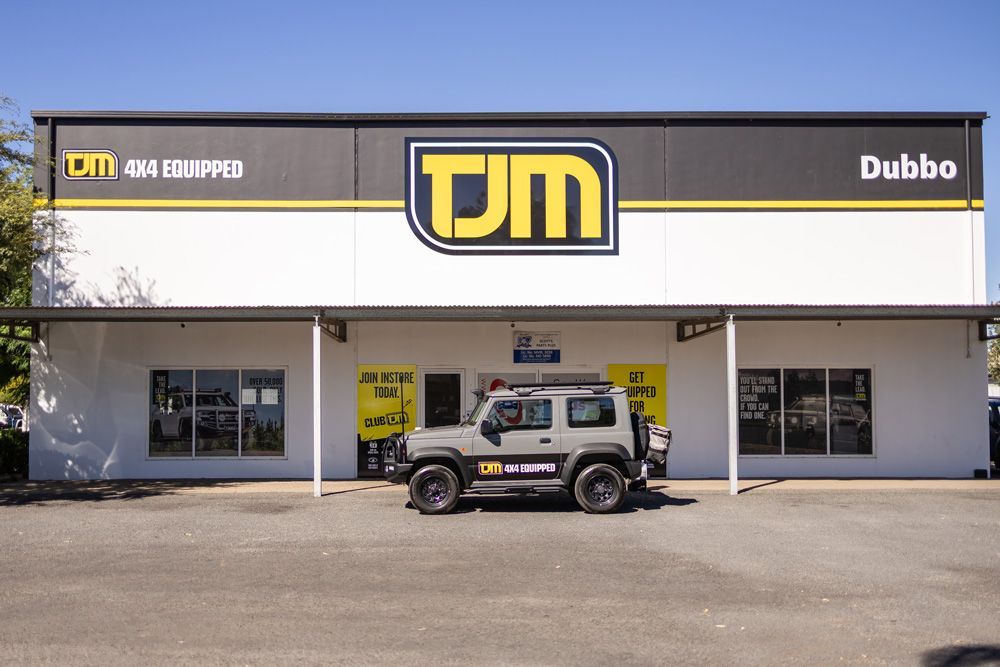
Professional fitting is particularly valuable when the vehicle already has a bull bar, driving lights, dual-battery system or other accessories competing for space. For winch installation in Dubbo, TJM Dubbo can help with product selection and fitment requirements.
Building a Complete Recovery Setup Around Your Winch
A winch is only one part of a safe recovery setup. The right supporting equipment depends on your vehicle, the recovery method and the conditions you're likely to encounter.
What Recovery Gear Should You Carry?
When it comes to what to know before buying a 4WD recovery kit, a suitable kit may include:
- Rated recovery points appropriate to the vehicle
- Compatible soft shackles or rated connectors
- A tree trunk protector for suitable anchor points
- A winch extension rope where required
- A recovery damper where specified by the equipment manufacturer
- Recovery boards
- Gloves and appropriate protective equipment
Equipment must be compatible and correctly rated for the intended recovery. Never attach recovery loads to ordinary tie-down points or unsuitable vehicle components.
Why Does Recovery Training Matter?
Even correctly installed equipment can be dangerous when used incorrectly. Recovery forces, anchor selection and rope angles need careful consideration.
Practical training helps drivers understand equipment limits, exclusion zones and when a recovery should not proceed.
Before remote trips towards Nyngan, Cobar or Bourke, check your equipment and travel plans rather than assuming a winch will solve every situation. TJM Dubbo supplies 4wd recovery gear in Dubbo if you're preparing a vehicle for touring.
Choose a winch based on your loaded vehicle weight, compatible mounting system and expected recovery conditions. Rope type, electrical requirements and safe installation matter just as much as advertised pulling capacity.
If you're fitting your first winch or upgrading an older unit,
contact TJM Dubbo to discuss suitable equipment and professional installation. Our team can help you explore 4x4 accessories in Dubbo for a more capable touring setup.
Frequently Asked Questions