How Much Does Towbar Installation Cost In Australia?
Plenty of people buy a towbar without much thought, bolt it on, and only realise something is wrong the first time they hook up a heavy trailer on a long stretch of highway. A towbar that is not properly matched to your vehicle, fitted to the right specification, or compliant with Australian Design Rules is not just an inconvenience, it is a genuine safety risk. Before you part with any money, understanding what goes into towbar installation cost will help you make a smarter decision, whether you are towing a caravan across outback NSW, hauling a work trailer around a job site, or setting up a fleet ute for the long haul. Getting the right gear fitted correctly matters far more than finding the cheapest option, and as any experienced 4WD owner browsing 4x4 accessories in Dubbo will tell you, those two things rarely go hand in hand.
The Type Of Towbar Makes A Big Difference
Not all towbars are created equal, and the style you choose will have the single biggest impact on what you pay.
The most common types available in Australia each come with different price points and applications:
- Tongue or drawbar towbars are the most straightforward option, suited to light-duty towing like bike carriers or small trailers
- Step towbars (like those TJM Dubbo installs) combine towing capacity with a rear step, making them popular with ute owners and those using their vehicle for work
- Heavy-duty or off-road towbars are built for higher rated towing capacities and rougher conditions, with thicker steel tubing and reinforced mounting
- Concealed or hidden towbars are popular on SUVs and wagons where aesthetics matter, though they tend to cost more to supply and fit
Choosing the right type for your vehicle and towing needs is the first conversation worth having with a professional fitter.
Your Vehicle's Make And Model Affects The Price
Vehicle-specific design is one of the most misunderstood factors in towbar pricing. A towbar is not a universal product, it has to be engineered and tested for each vehicle's chassis and mounting points.
Here is why your specific vehicle matters when it comes to the total cost:
- Late-model vehicles with integrated sensors, parking cameras, or active safety systems require additional wiring harnesses and, in some cases, bypass relay modules
- Some 4WDs and dual-cabs have reinforced rear cross members that require more complex mounting hardware
- European-made vehicles often have stricter fitment requirements and vehicle-specific kits that cost more to source
- Older or modified vehicles may need custom fabrication work if standard kits are not available
A quality fitter will assess your vehicle before quoting and flag any complications upfront rather than halfway through the job.
Labour Costs And What Goes Into A Professional Fit
The physical work of mounting and wiring a towbar is skilled labour, and the time involved varies considerably depending on the vehicle and the towbar style being installed.
When budgeting for towbar fitting, the labour side typically covers the following:
- Removing existing rear bumpers or trim panels to access mounting points
- Drilling, bolting, or welding the towbar assembly to the chassis
- Routing and connecting the trailer wiring loom (7-pin flat or round, or 12-pin)
- Testing the electrical connections across all trailer functions including brakes and indicators
- Reassembling and aligning any removed panels or trim
Labour alone can range from a couple of hours for straightforward fitments to half a day or more for complex vehicles. Opting for the cheapest labour quote is rarely the smart call when towing safety is involved.
Wiring And Electrical Work Can Add To The Total
Many people get a quote for the towbar itself and overlook the wiring component entirely. Depending on your vehicle and what you plan to tow, the electrical side can add anywhere from a modest amount to several hundred dollars.
The key variables that affect wiring costs include:
- Standard trailer plugs (7-pin flat or round) are relatively inexpensive to fit on older vehicles without complex electronics
- Bypass relay modules are required on many newer vehicles to prevent trailer wiring from interfering with stability control, ABS, or reversing sensors
- 12-pin connections are needed for caravans running internal lighting, fridge power, and charging, a more involved installation than a basic trailer plug
- Aftermarket towbar wiring harnesses may be required when the vehicle does not support a standard T-harness solution
Discussing exactly what you plan to tow with your fitter before the job starts is the best way to avoid surprises on the invoice.
ADR Compliance And Why It Matters For Towing Safety
Any towbar fitted to a vehicle used on Australian roads must comply with the Australian Design Rules, specifically ADR 62/02, which governs towing coupling devices. This is not just a regulatory formality, it is a meaningful safety standard.
What ADR compliance means in practical terms:
- The towbar and coupling must be rated to match or exceed the vehicle's braked and unbraked towing capacity
- The product must be tested and certified for the specific vehicle application
- Non-compliant towbars can void your vehicle's warranty and affect your insurance coverage in the event of an accident
- Roadworthy inspections can flag non-compliant fitments, which may require costly rectification
Reputable suppliers and fitters only deal in ADR-compliant products. If a price seems unusually low, it is worth asking what standards the product actually meets.
What To Look For In A Professional Towbar Fitter
Choosing who fits your towbar matters just as much as the product itself. A poor installation can create issues ranging from loose connections to structural failure under load.
A professional towbar fitter should be able to demonstrate the following:
- Experience fitting your specific vehicle make and model, or at least the platform it is built on
- Access to a range of vehicle-specific towbar kits from reputable suppliers
- Clear communication about the wiring solution required for your intended use
- A warranty on both the product and the workmanship
- Knowledge of ADR compliance requirements and the ability to explain what rating the fitted towbar carries
Do not be afraid to ask questions before you book. A reputable workshop will welcome them, and a disinterested response at the enquiry stage usually tells you something useful.
Fleet And Tradie Vehicles Have Different Considerations
For business owners running multiple vehicles or tradies who put serious kilometres on their utes, the towbar decision carries additional weight. Downtime, load requirements, and long-term durability all factor into the right choice.
Fleet and work vehicle fitments often involve a few additional considerations:
- Higher towing capacity requirements for trailers carrying plant, equipment, or livestock
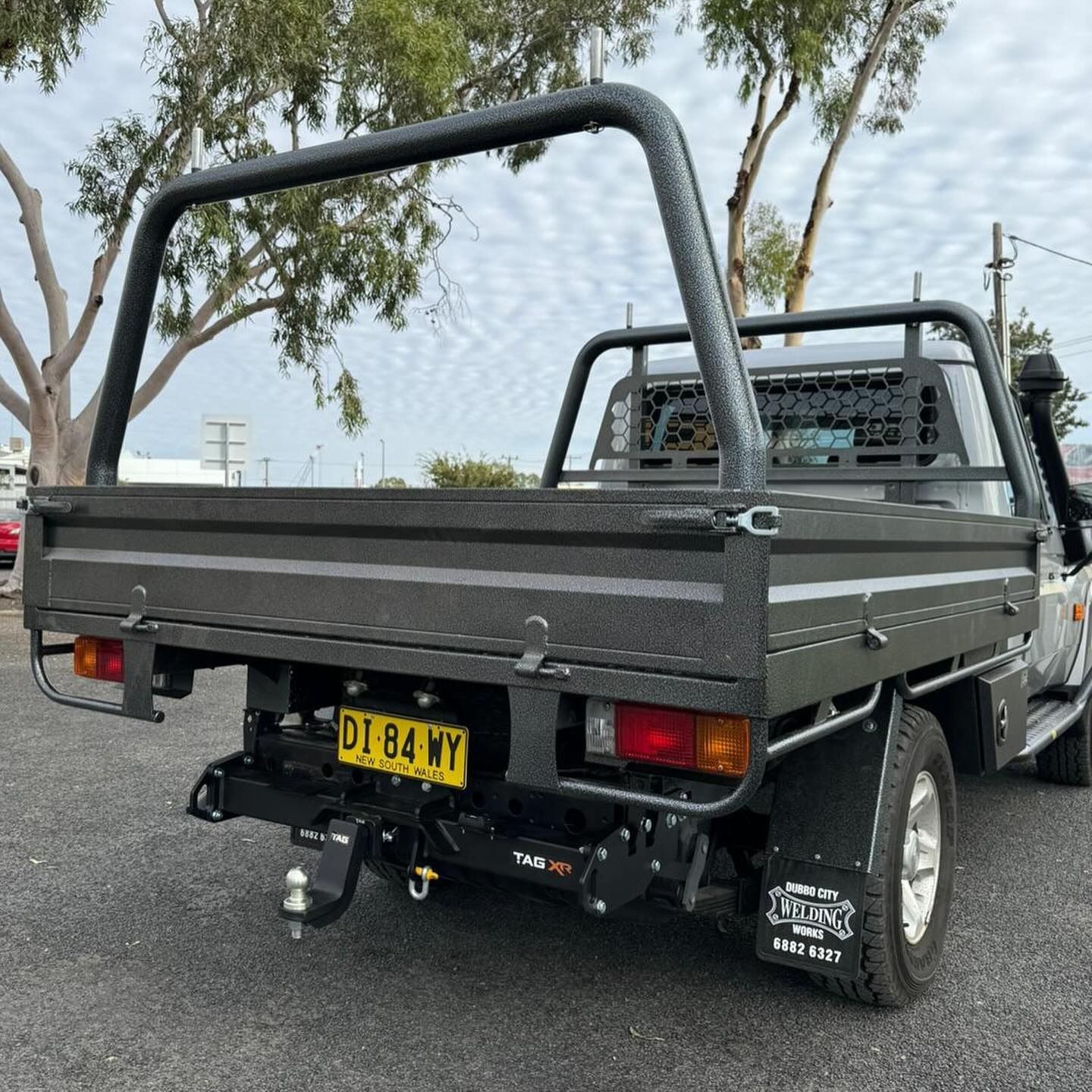
- Towbars that integrate with tipper bodies, tray setups, or canopies without compromising access
- Consistent specification across multiple vehicles so servicing and replacement parts stay straightforward
- Step towbars are popular in this space, offering practical rear access as well as towing function
- Bulk fitting arrangements with a trusted local supplier can reduce per-vehicle costs over time
If you are fitting out more than one vehicle, it is worth having a single conversation with a supplier who understands work applications rather than treating each fitting as a standalone job.
Getting Value From Your 4x4 Accessories Budget
A towbar is rarely a standalone purchase. For most 4WD and ute owners, it is part of a broader build that might include suspension upgrades, lighting, recovery gear, or a dual battery system. Thinking about the full picture from the start helps you prioritise spending and avoid compatibility issues down the track.
When planning your towing and accessories setup, a few things are worth keeping in mind:
- Your Gross Vehicle Mass (GVM) limits how much weight your vehicle can carry and tow in combination, so suspension upgrades may be needed before you can safely tow at the rated capacity
- Tow mirrors may be legally required depending on the width of what you are towing, so factor those in early
- If you are heading into remote areas, recovery gear and communications equipment belong on the list alongside towing accessories
- Speaking to a fitter who understands the full 4x4 accessories ecosystem means advice that looks at your whole build, not just the single item in front of them
For more on planning your 4x4 build holistically, TJM Dubbo's
essential guide to choosing 4WD accessories covers everything else worth considering for your vehicle.
Ready To Get Your Towbar Fitted? Talk To The Team
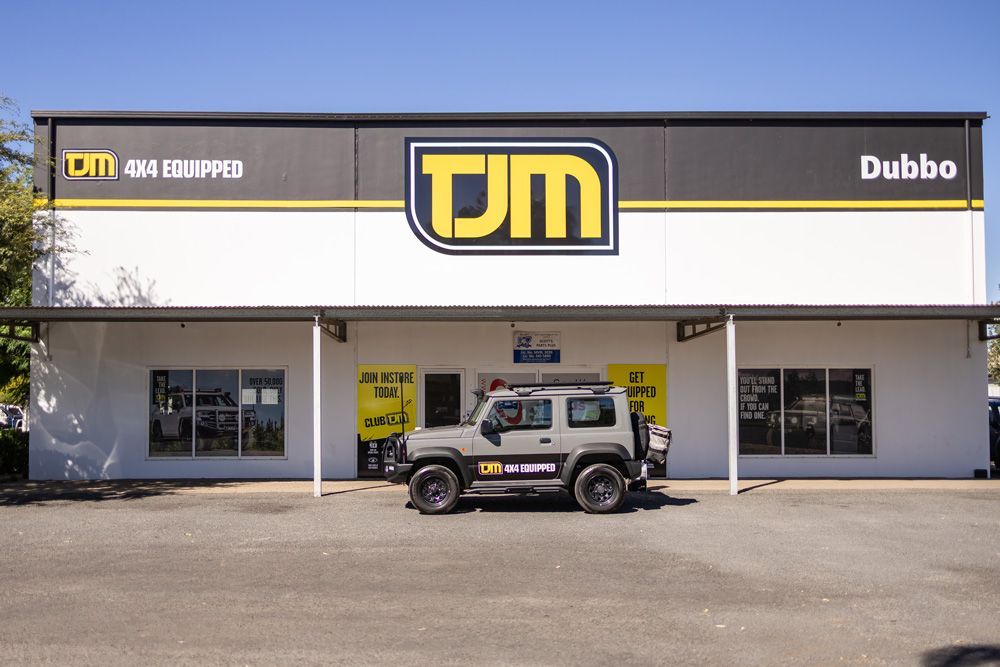
We at TJM Dubbo supply and install a range of towbars designed for Australian conditions, including TJM's own rear step towbars built with 63 mm diameter steel tubing, a durable alloy treadplate, and full ADR compliance. Whether you are a tradie in Dubbo fitting out a work ute, a caravan owner getting ready for a long trip, or a fleet operator looking for a reliable, consistent fitment across multiple vehicles, our team will walk you through the right option for your vehicle and intended load.
For professional towbar installation Dubbo residents and surrounding communities can trust, book through TJM Dubbo, and we handle everything from fitting to compliance and will make sure your wiring is set up correctly for whatever you plan to tow. Beyond towbars, TJM Dubbo stocks a full range of 4x4 accessories Dubbo drivers rely on for towing, touring, and work. Get in touch with our team today to book your fitting or ask about our range.