What To Know Before Buying A 4WD Recovery Kit
A reliable 4WD recovery kit should give you the equipment needed to recover a bogged or stuck vehicle safely without relying on help being close by. For drivers choosing 4x4 accessories in Dubbo, that means selecting recovery gear suited to red dirt, mud, sand, rutted tracks and the remote conditions common across western NSW.
The right kit is more than a snatch strap thrown behind the back seat. Recovery points, rated shackles, recovery boards and other equipment all need to work together, and the quality of each component matters when you are dealing with the forces involved in vehicle recovery.
What Should a 4WD Recovery Kit Include?
A well-rounded 4WD recovery kit should cover several types of recovery rather than relying on one method. The exact setup depends on where you travel, whether you drive alone or in a group, and how your vehicle is equipped.
For outback NSW touring, useful recovery equipment typically includes:
- A correctly rated snatch strap
- Rated recovery shackles
- Recovery boards
- A suitable jack, such as a hi-lift jack where appropriate
- A tree trunk protector
- Gloves and basic recovery accessories
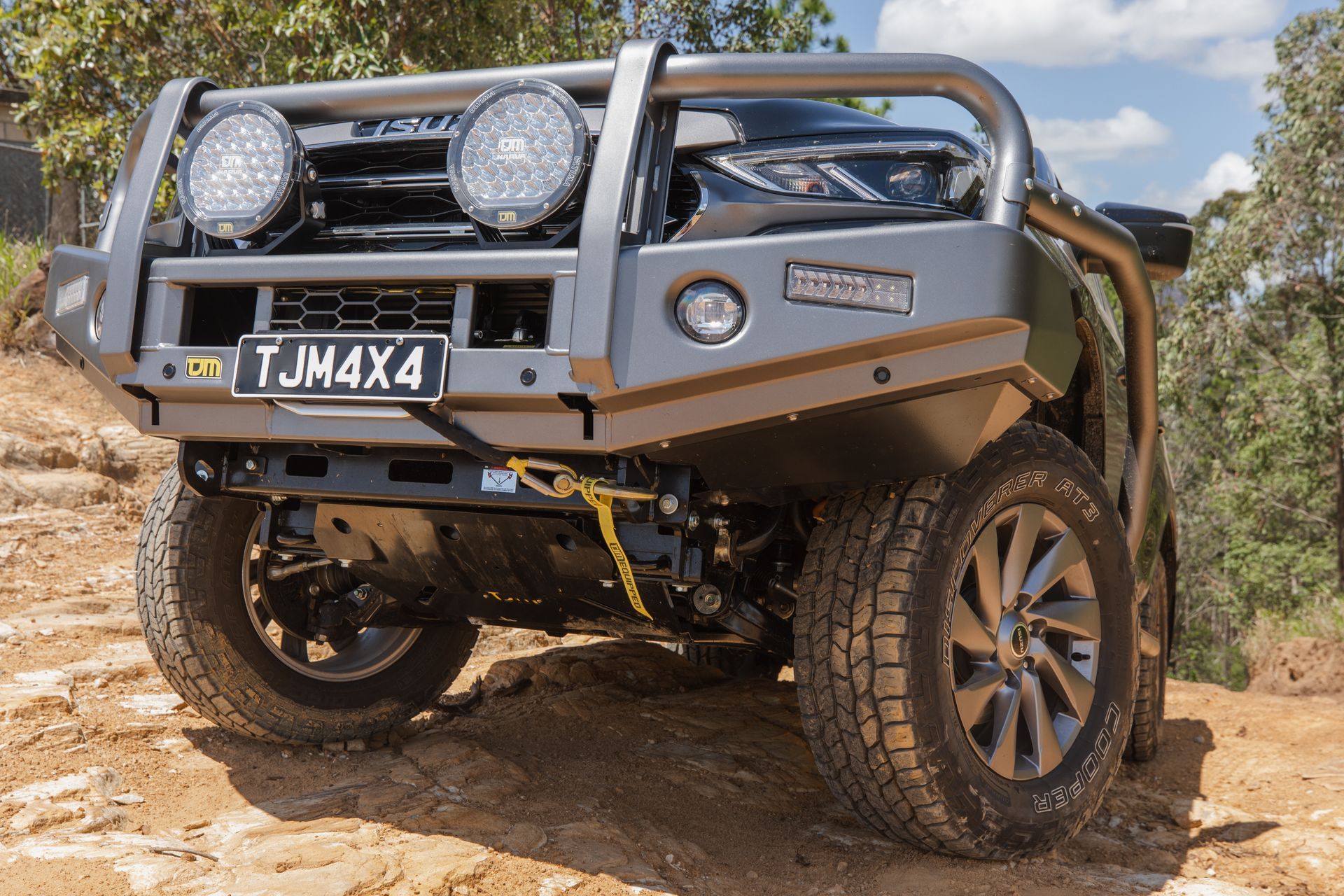
- Accessible, vehicle-specific rated recovery points
You'll find a range of
4WD recovery gear Dubbo off-roaders can consider at TJM Dubbo, helping you build a setup suited to your vehicle and the trips you actually take.
Why Do You Need a Quality Snatch Strap?
A snatch strap is designed for kinetic recoveries, where a mobile recovery vehicle helps free another vehicle that has become stuck. Unlike a static tow strap, a snatch strap stretches under load and uses that stored energy to assist the recovery. This type of recovery involves substantial forces, so you need a strap with clear ratings and instructions that is appropriate for the vehicles involved. Inspect it before use and replace it if you find significant wear, cuts, damaged stitching or contamination that could affect its integrity.
Just as importantly, a snatch strap should only connect to suitable rated recovery points. A tow ball is not a recovery point and should never be used for a snatch recovery.
What Should You Look for in Recovery Shackles?
Shackles connect components within a recovery system, which means their strength and suitability are critical. Avoid choosing an unmarked shackle simply because it looks heavy-duty.
Look for recovery shackles with clearly identifiable ratings and make sure they are compatible with the recovery points and other equipment in your setup. Soft shackles are also increasingly common because they are lightweight and useful with suitable recovery equipment, but they still need to be correctly rated and protected from damage. Whatever style you carry, inspect shackles regularly. Damage, deformation or excessive wear is a reason to take that item out of service rather than hoping it will hold for one more recovery.
When Are Recovery Boards Worth Carrying?
Recovery boards are particularly useful because they can help you regain traction without involving a second vehicle. They can work well in sand, mud and other loose surfaces where your tyres are spinning rather than moving the vehicle forward. The basic process is to clear material away from the tyres, position the boards so the tyres can grip them and then apply controlled power. Avoid excessive wheelspin, which can dig the vehicle deeper and potentially damage the boards or tyres.
For western NSW travel, recovery boards also provide a useful self-recovery option when another vehicle isn't immediately available. Mount them somewhere accessible rather than burying them underneath everything else you're carrying.
Do You Need a Hi-Lift Jack in Your 4WD Recovery Equipment?
A hi-lift jack can be a useful piece of 4WD recovery equipment, but only when your vehicle has suitable lifting points and you understand how to operate the jack correctly. In the right setup, a hi-lift jack can help raise a vehicle so you can place material or recovery boards underneath a wheel. However, these jacks can become unstable on uneven or soft terrain and require careful handling.
Don't assume every 4WD needs one. Consider your vehicle's compatible lifting points, the terrain you travel through and whether another recovery method would be safer and simpler. According to industry best practice, recovery equipment should suit the vehicle and intended use rather than simply filling out a generic checklist.
Why Carry a Tree Trunk Protector?
If you carry equipment for winch recovery, a tree trunk protector is an important addition to your kit. It provides a wide strap that can be wrapped around an appropriate tree when it is being used as a winching anchor. Using a suitable protector helps avoid wrapping a winch cable or rope directly around the tree. It also forms part of a properly configured winch recovery system alongside compatible rated equipment.
Before relying on any natural anchor, assess its condition and suitability. If you're unsure whether an anchor or recovery setup is safe, don't proceed until you have a safer option.
How Can You Tell Quality 4WD Recovery Gear From Cheap Gear?
Price alone doesn't tell you whether off road recovery gear is suitable. What matters is whether you can identify what the equipment is designed to do, how it should be used and what loads it is rated to handle. Before buying, check for clear product specifications, legible ratings, instructions and compatibility with your vehicle's recovery setup. You should also consider durability. Recovery gear gets exposed to dust, mud, water, abrasion and rough storage, so materials and construction matter.
Be wary of unbranded gear with unclear ratings or components that provide little information about their intended application. Saving money on equipment isn't worthwhile if you cannot confidently determine whether it is suitable when your vehicle is bogged kilometres from a sealed road. For a broader look at choosing equipment, read our guide on what to look for when buying 4x4 accessories in Dubbo.
What Recovery Gear Suits Driving Around Dubbo and Western NSW?
Conditions can change considerably across western NSW. A dry red-dirt track can become slippery after rain, while corrugations, washouts, loose surfaces and remote travel add their own challenges. Your 4x4 recovery kit should reflect those conditions. Drivers travelling alone may place greater emphasis on self-recovery equipment such as recovery boards and a correctly configured winch setup, while people travelling in a group may have more options for assisted vehicle recovery.
Example: A driver on an unsealed western NSW track encounters a soft, muddy section after rain and loses traction. Recovery boards and a shovel may allow a controlled self-recovery without introducing the forces of a kinetic recovery. If that doesn't work, having appropriate rated recovery equipment provides additional options rather than forcing the driver to improvise with unsuitable gear.
If your travels take you farther west, 4x4 accessories Cobar drivers can access through TJM Dubbo can help prepare vehicles for touring and remote-track conditions.
How Should You Build the Best 4WD Recovery Kit for Your Vehicle?
The best 4WD recovery kit isn't necessarily the one with the most pieces. It's the one matched to your vehicle, recovery points, typical terrain and level of experience.
Start by checking your vehicle before filling a bag with straps and shackles.
A practical approach is to:
- Identify suitable recovery points. Know where they are and what type of recovery they are intended for.
- Consider your usual terrain. Sand, mud, rocky tracks and remote touring can require different recovery methods.
- Choose compatible rated equipment. Check straps, shackles and other components rather than assuming everything works together.
- Include self-recovery options. Recovery boards and a suitable winch setup can be valuable when travelling without another vehicle.
- Store everything securely and accessibly. Recovery equipment isn't much help if you can't reach it when the vehicle is stuck.
- Learn how to use it before the trip. Don't make a remote bogging your first attempt at understanding your recovery equipment.
Quality 4x4 accessories Dubbo drivers use should form a complete vehicle setup rather than a collection of unrelated products.
Why Does the Right Recovery Setup Matter?
Vehicle recovery introduces loads and hazards that aren't always obvious from behind the wheel. Incorrect attachment points, unsuitable gear and poorly planned recoveries can damage vehicles and expose people nearby to unnecessary risk. Good equipment doesn't replace good recovery technique. Before attempting a recovery, assess why the vehicle is stuck, choose an appropriate method, keep bystanders clear and make sure everyone involved understands the plan.
That preparation becomes particularly important on remote tracks, where outside assistance may not be readily available. Knowing what you carry and how to use it gives you more recovery options when conditions change.
If you're putting together or upgrading a recovery setup,
TJM Dubbo can help you choose equipment suited to your 4WD and intended travel. Explore the recovery range or
contact our team before your next trip to make sure the gear you carry matches the conditions you're preparing to tackle.
Frequently Asked Questions About 4WD Recovery Kits